What Is an Underground Oil/Water Separator Tank?
An underground oil/water separator tank is a buried vessel designed to remove free-floating oils, fuels, and suspended solids from contaminated water before it is discharged or reused. These systems help industrial facilities meet environmental discharge regulations and prevent pollution of stormwater systems and groundwater.
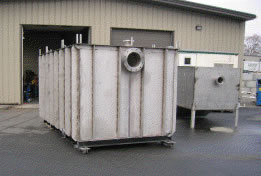
Typical Uses
- Fueling stations and truck stops
- Vehicle maintenance garages and car washes
- Industrial and manufacturing facilities
- Power plants and chemical plants
- Airports and aviation maintenance areas
- Commercial parking lots
- Marine facilities and shipyards
Construction and Materials
Underground oil/water separator tanks are typically constructed from reinforced concrete, fiberglass (FRP), or coated steel. They are engineered to withstand soil loads, groundwater pressure, and vehicle traffic.
How an Underground Oil/Water Separator Works
1. Inlet and Flow Control
Wastewater enters through an inlet pipe and a flow-diffusion baffle slows down the water, allowing gravity separation to begin.
2. Primary Separation
Oil rises to the surface, solids settle at the bottom, and cleaner water forms a middle layer.
3. Coalescing Media (If Equipped)
Coalescing plates or media help small oil droplets combine into larger droplets, improving separation efficiency.
4. Outlet Chamber and Discharge
Clean water exits the tank through a baffle-protected outlet and may be discharged to stormwater, sewer, or reused onsite.
5. Maintenance
Maintenance includes routine oil removal, sediment cleanout, and inspection of baffles and coalescing media through access manways.
Underground vs. Above-Ground Oil/Water Separators
Both systems remove oil from wastewater, but they differ in installation, cost, maintenance, and regulatory requirements.
1. Installation and Footprint
Underground: Buried under soil or pavement, ideal for limited-space locations but requires excavation.
Above-ground: Installs on a surface pad with lower cost and easier access but requires available space.
2. Cost Considerations
Underground: Higher upfront cost due to excavation and permitting.
Above-ground: Lower installation and maintenance cost.
3. Regulatory Requirements
Underground: Often subject to stricter environmental rules and may require leak monitoring.
Above-ground: Easier visual inspection and fewer regulatory hurdles.
4. Maintenance Accessibility
Underground: Requires confined-space access; harder to repair after installation.
Above-ground: All components are accessible and easy to maintain.
5. Durability and Lifespan
Underground: Protected from weather and impacts; lifespan often 30–50 years.
Above-ground: Exposed to weather; lifespan typically 20–30 years.
6. Applications and Use Cases
Underground systems are ideal for:
- High-traffic areas
- Locations with limited surface space
- Sites requiring hidden infrastructure
Above-ground systems are ideal for:
- Lower-cost installations
- Easy and frequent maintenance
- Temporary or portable needs
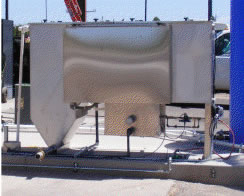
Underground oil/water separator tanks are reliable, high-capacity treatment systems for industrial facilities where space, safety, or design requires buried infrastructure. Above-ground systems offer easier access and lower installation cost. Choosing the right type depends on site conditions, budget, and regulatory needs.