How Does an Oil Water Separator Remove Oil?
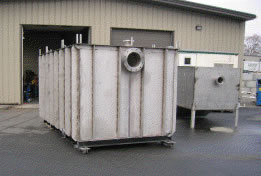
An oil water separator removes oil from contaminated water by using gravity, controlled flow, and special coalescing surfaces that help tiny oil droplets join together so they can float to the top for removal.
Inside the separator, the oily wastewater moves slowly and smoothly (laminar flow). Because oil is lighter than water, it naturally rises. The separator’s internal design gives the oil droplets time and surface area to merge into larger drops, making separation faster and more efficient.
Step-by-Step: What Happens Inside the Separator
- Influent enters the tank
Oily water flows into the separator at a controlled rate designed to prevent turbulence. - Heavy solids settle
Dirt, grit, and sludge are heavier than water. They sink to the bottom and collect in a sludge hopper for later removal. - Oil droplets rise
Free and non-emulsified oil begins to float upward because it is lighter than water. - Coalescing plates or media help droplets grow
The water passes through parallel or corrugated plates. Small oil droplets bump into each other and combine into larger droplets. - Larger droplets float to the surface
Once big enough, the oil rises quickly and forms a layer at the top of the separator. - Oil is removed
The collected oil is skimmed, pumped, or drained into a waste-oil storage tank for recycling or proper disposal. - Final polishing
Before discharge, the water often moves through a final media pack to capture any trace oil that remains. - Clean water exits
The treated water leaves the unit and is ready for discharge or reuse, depending on system design and local regulations.
Why Laminar Flow Matters
Efficient separation depends on smooth, non-turbulent movement. When the flow is calm, gravity can do its job. Many systems are engineered with cross-fluted or multi-channel plate designs to slow the water down, increase surface area, and dramatically improve oil capture.
What Happens to the Water After the Oil Is Removed?
Once treated, the water can often be reused or safely discharged in environmentally responsible ways, based on permit requirements and discharge limits.
Environmental & Operational Reuse
- Reuse in wash bays or pressure washing systems
- Equipment or vehicle pre-rinse water
- Dust suppression
- Cooling or process water (when allowed)
- Irrigation for non-food vegetation
- Toilet or utility water in industrial facilities
Discharge Options
- Sanitary sewer (with approval)
- Industrial wastewater treatment systems
- Stormwater systems where regulations permit
The Result
- Prevents hydrocarbons from entering the environment
- Protects municipal systems
- Helps meet EPA and local discharge requirements
- Reduces waste hauling costs
- Supports water recycling programs